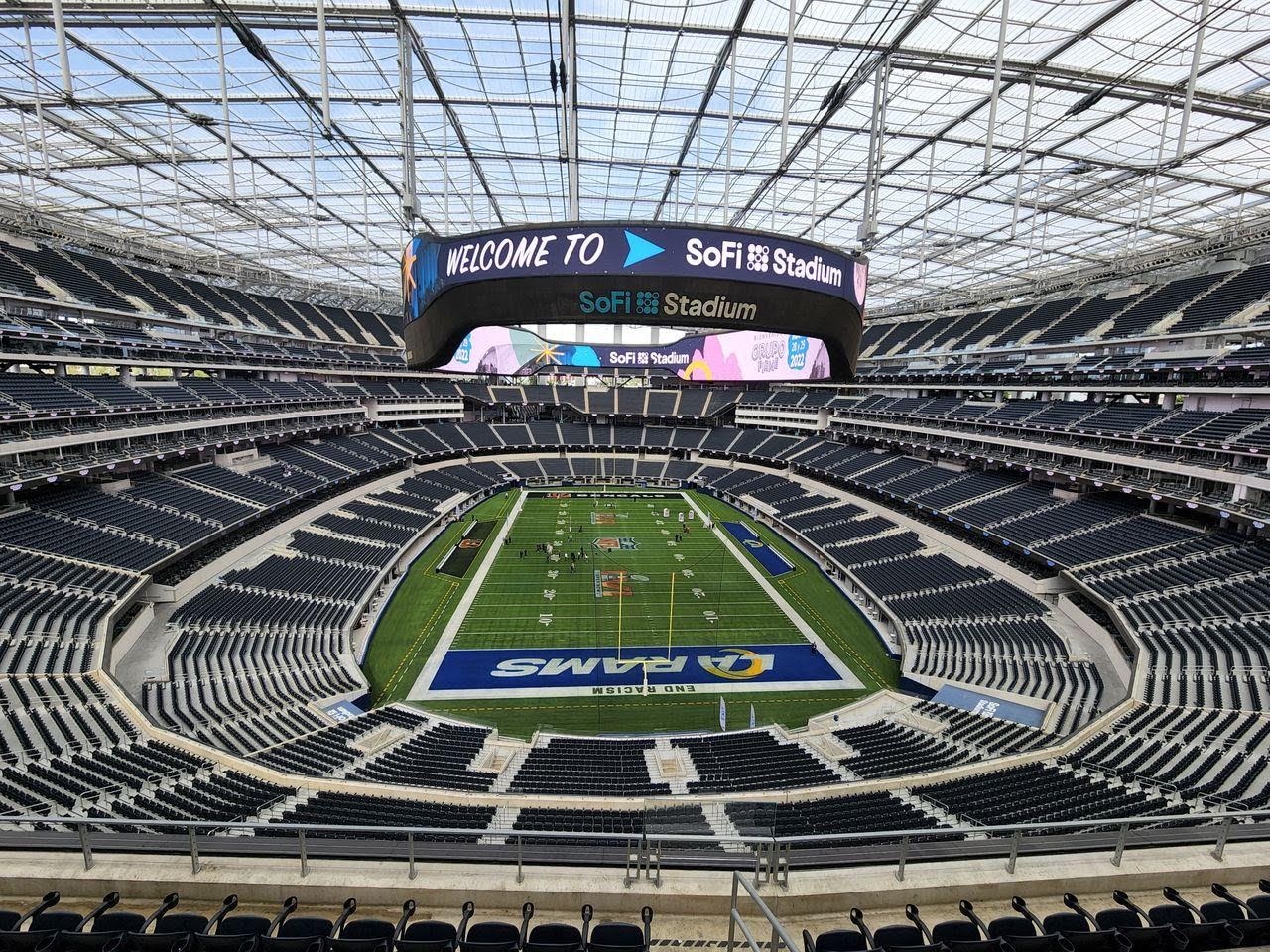
An AV company in Santa Barbara plays a critical role in making sure conferences, product launches, fundraisers, and corporate meetings run smoothly from the first microphone check to the final presentation.
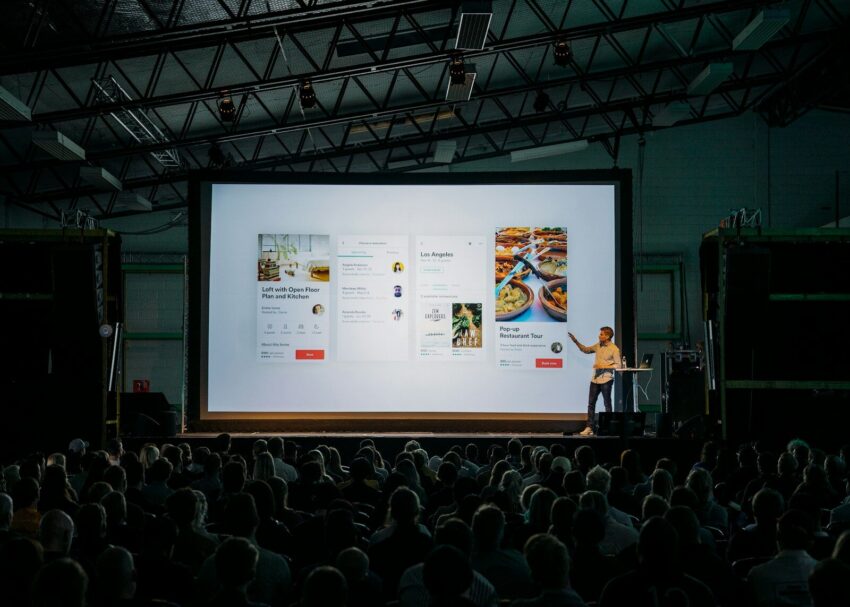
Technical problems rarely happen because of bad luck alone, and most event-day disasters can be traced back to poor planning, rushed setup, incompatible equipment, or a lack of experienced technicians behind the scenes.
When organizers work with an experienced production team, they reduce the risk of silent microphones, frozen presentation screens, distorted sound, and unreliable video feeds that can quickly derail an otherwise well-planned event.
If you’re planning an upcoming event, understanding what to expect from an AV company in Santa Barbara can help you avoid expensive mistakes before they happen.
Every Successful Event Starts Long Before Guests Arrive
Most attendees only see the finished stage, the crisp projection screen, and the speakers delivering their presentations.
What they never see is the detailed planning process that happens days or even weeks beforehand.
Professional audiovisual teams begin by understanding the venue, audience size, event schedule, lighting conditions, internet requirements, and presentation format.
A ballroom hosting a 300-person leadership conference requires a very different technical approach than a rooftop networking event with live entertainment.
These details influence everything from speaker placement and projector brightness to wireless microphone frequencies and cable routing.
Skipping this planning stage often leads to last-minute improvisation, which is where many technical failures begin.
Site Visits Eliminate Surprises
Every venue has its own challenges.
Some buildings have difficult acoustics that create echoes.
Others have limited electrical capacity or structural restrictions that affect where lighting and displays can be installed.
A site inspection helps identify these issues before equipment arrives.
For example, an outdoor corporate awards ceremony may seem straightforward until technicians discover that afternoon sunlight makes standard projection nearly impossible.
Instead of learning this on event day, experienced teams recommend LED video walls or reposition the stage during the planning process.
Small adjustments made early can prevent major disruptions later.
Equipment Testing Happens More Than Once
Reliable event production is built on preparation rather than assumptions.
Professional crews test microphones, speakers, projectors, LED displays, presentation laptops, switchers, and wireless systems before they leave the warehouse.
They repeat those tests after arriving at the venue.
Finally, they conduct another complete system check before attendees enter the room.
Imagine a keynote speaker arriving with a presentation stored on an unfamiliar laptop.
Instead of hoping everything works, technicians verify video output, presentation formatting, fonts, audio playback, and clicker compatibility well before the session begins.
That extra preparation often saves valuable minutes during the live event.
Backup Equipment Is Part of the Plan
Technology can fail without warning.
A microphone battery might die.
A presentation computer may freeze.
A cable could become damaged during setup.
Experienced event production teams prepare for these situations by keeping backup equipment readily available.
Extra microphones, spare laptops, replacement cables, additional adapters, and duplicate presentation files are common parts of a professional setup.
If one component stops working, another can immediately take its place without forcing the audience to wait.
The goal is to solve problems before most attendees even realize something happened.
Skilled Technicians Monitor Everything in Real Time
Technology doesn’t run itself once the event begins.
Audio engineers continuously adjust microphone levels as different presenters speak.
Video operators switch presentation sources, manage screen content, and monitor signal quality.
Lighting technicians adapt the room based on presentation changes, audience interaction, or live performances.
Consider a panel discussion where one speaker suddenly begins speaking much more quietly than everyone else.
An attentive audio technician can correct volume levels instantly, ensuring every audience member continues hearing the conversation clearly.
Without active monitoring, that issue could persist throughout the session.
Communication Prevents Last-Minute Confusion
Many event delays have nothing to do with technology.
Instead, they happen because speakers, organizers, venue staff, and production teams aren’t working from the same timeline.
Professional AV providers coordinate closely with everyone involved before the event starts.
Presentation order, stage entrances, lighting cues, video playback, and schedule changes are reviewed together.
If a keynote presentation moves ahead of schedule or a speaker needs additional time, everyone knows exactly how to adjust without creating confusion backstage.
Clear communication keeps the production running as smoothly as the equipment itself.
Internet and Streaming Require Extra Attention
Modern business events often include virtual attendees alongside in-person guests.
That means reliable internet is no longer optional.
Production teams verify network stability, upload speeds, streaming platforms, and backup internet solutions before going live.
For example, a hybrid shareholder meeting cannot afford a dropped livestream during executive presentations.
Testing bandwidth under real event conditions helps reduce interruptions and improves the experience for remote participants.
Strong connectivity has become just as important as quality sound and visuals.
Good Audio Matters More Than Expensive Visuals
Event organizers sometimes focus heavily on large screens and impressive lighting.
While visuals certainly enhance an event, poor audio creates a much bigger problem.
Guests may forgive simple stage décor.
They rarely forgive missing half of a presentation because microphones cut out or speakers produce distorted sound.
Proper speaker placement, balanced audio levels, wireless frequency coordination, and continuous monitoring ensure every attendee hears each presenter clearly, whether they’re sitting in the front row or the back of the room.
Clear communication remains the foundation of every successful event.
Flexibility Makes Unexpected Problems Manageable
Even the most carefully planned event can change at the last minute.
A presenter may add extra slides.
Weather may force an outdoor event indoors.
A guest speaker might join remotely instead of appearing in person.
Experienced production professionals expect these situations rather than panic when they occur.
Because equipment layouts, staffing, and contingency plans have already been considered, adjustments can often be made with minimal disruption.
The audience experiences a seamless event even though significant changes may have happened behind the scenes.
Choosing the Right Production Partner Matters
Not every audiovisual provider offers the same level of preparation, technical expertise, or event support.
When comparing providers, ask about planning meetings, equipment testing procedures, backup systems, technician availability, venue experience, and emergency response plans.
The answers often reveal far more than a simple equipment list.
An experienced team focuses on preventing problems instead of merely reacting after something goes wrong.
That proactive approach reduces stress for organizers and creates a more polished experience for attendees.
Conclusion
Technical disasters rarely happen because a single piece of equipment fails.
They usually result from overlooked planning, insufficient testing, weak communication, or inadequate contingency planning.
Choosing the right production team means every detail receives attention before guests walk through the doors.
When preparation, technical expertise, and real-time support work together, organizers can focus on delivering a memorable event instead of worrying about microphones, projectors, or presentation glitches.
That level of preparation is exactly what separates an average production from one that audiences remember for all the right reasons.